Over the past 50 years, modified bitumen roofing has changed from a novel experiment to one of the most widely used commercial roofing systems in the world. Globally, millions of projects implement this roofing material for its high tensile strength, long lifespan, and straightforward installation.
But what exactly is modified bitumen roofing, and what makes it better than other forms of commercial flat roofing?
This post covers various topics and tackles some frequently asked questions regarding this tried-and-true roofing membrane.
Have a modified bitumen roof in need of attention? Click here to find an American WeatherStar Approved Contractor near you.
What is Modified Bitumen (Mod Bit)?
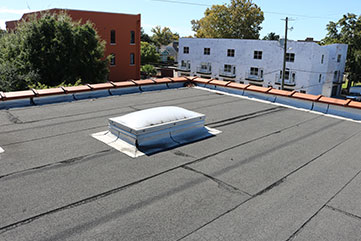
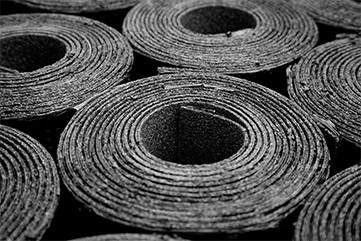
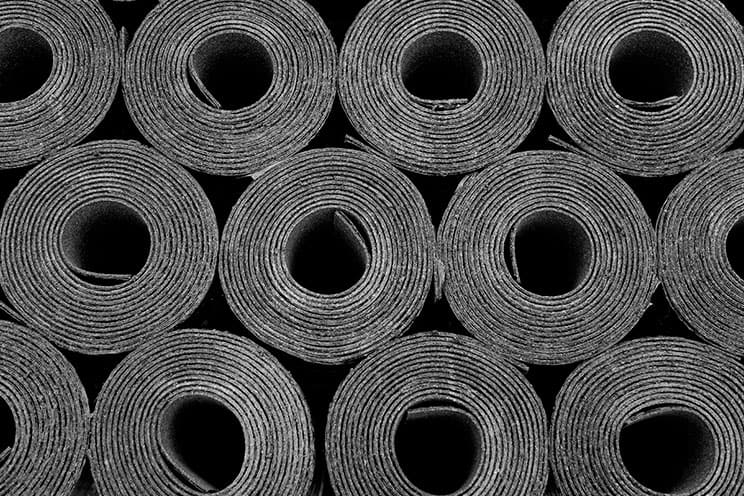
Modified bitumen is an incredibly sturdy yet flexible asphalt membrane mixed with polymerized rubber or plastic and fiberglass reinforcement. It evolved from built-up roofing systems, which have been employed on low-slope roofs for over a century.
Mod bit is common in commercial, industrial, and residential applications and ideal for use on flat and low-slope roofs. Depending on the material type, these systems generally consist of two or more layers (multi-ply).
The Origins of Modified Bitumen Roofing
Mod bit was first used commercially in the mid-1960s. Before then, most buildings implemented built-up roofing systems, a complex process of alternating layers of asphalt and felts (plies) topped with pea gravel (gravel BUR).
Although built-up roofs are a proven commodity, they are relatively inefficient, expensive to install, difficult to maintain, and susceptible to extreme temperatures. To address these shortcomings, developers combined bitumen with rubber polymers and fiberglass reinforcers to produce a simpler, more manageable roofing application.
Ultimately, these endeavors led to the earliest forms of modified bitumen, producing a long-lasting, easy-to-install roofing membrane with superior resistance to extreme temperatures.
By the mid-1970s, mod bit had surpassed BUR as one of the most dependable roofing materials in the United States.
Types of Mod-Bit Roofing Membrane
SBS (Styrene-Butadiene-Styrene)
SBS is essentially “elastic” or “rubberized” asphalt. The combination of asphalt and polymerized rubber produce a membrane with superior elasticity and flexibility. SBS is ideal for rooftops encountering large temperature swings and heavy winds.
APP (Atactic Polypropylene)
APP, commonly referred to as “plastic asphalt,” is composed of asphalt and plasticized polymers that expand at higher temperatures. Compared to SBS, APP offers better UV resistance.
The Pros of Modified Bitumen Roofing
Tear Resistance
Modified bitumen membranes have high tensile strength, providing superior protection against punctures and tears usually caused by storm damage, wind-driven debris, foot traffic, etc.
Waterproofing
Modified bitumen roofing offers excellent waterproofing protection—especially multi-ply mod bit systems.

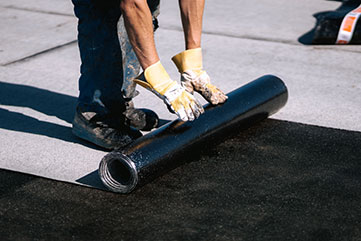
Easy to Install and Maintain
The installation of a mod-bit system is a relatively simple process. Also, as a rolled membrane, it patches quickly and efficiently if damaged.
Energy-Efficient
Some forms of mod bit are highly UV resistant and reflect the sun’s rays, resulting in decreased energy costs.
The Cons of Modified Bitumen
Longevity
With an average life expectancy of about 20 years, modified bitumen roofing has a considerably shorter lifespan than other materials.
Heat Absorption
Dark-colored mod bit membranes do not effectively reflect heat from the sun, resulting in higher temperatures for building interiors—especially if roof insulation is inadequate.
Risk of Damage
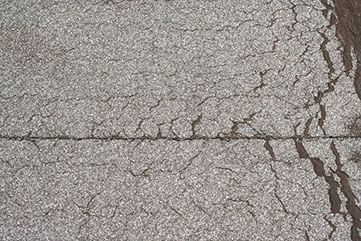
Modified bitumen roofs are highly durable but more prone to damage if routinely walked on. They also tend to accumulate ponding water during heavy rainfall. Like any other flat roof system, excessive wear and tear can shorten service life and functionality.
Produces Strong Odor
Installing a mod bit roofing system produces a lingering pungent stench. It is advisable to relocate building occupants while the roof is being installed.
Off-Gassing
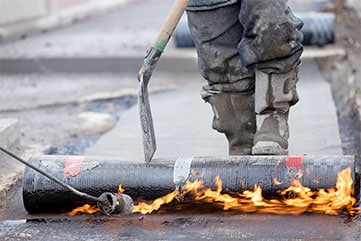
Torch-applied modified bitumen produces heavy fumes. Without the proper safety equipment, the vapors emitted during this operation can be hazardous to health and the environment.
Modified Bitumen: Frequently Asked Questions
Conclusion
The benefits of mod-bit include its dependability, low maintenance requirements, and eco-friendly attributes. While the installation method and longevity are negatives that individuals take into account. Modified bitumen roofing has always retained its footing by utilizing its advantages over negatives. It has been a dependable option for roofing despite rival flat roofing solutions like TPO and PVC.
To learn more about the benefits of mod bit and fluid-applied roof restoration from American WeatherStar, click here to speak with a customer service representative.