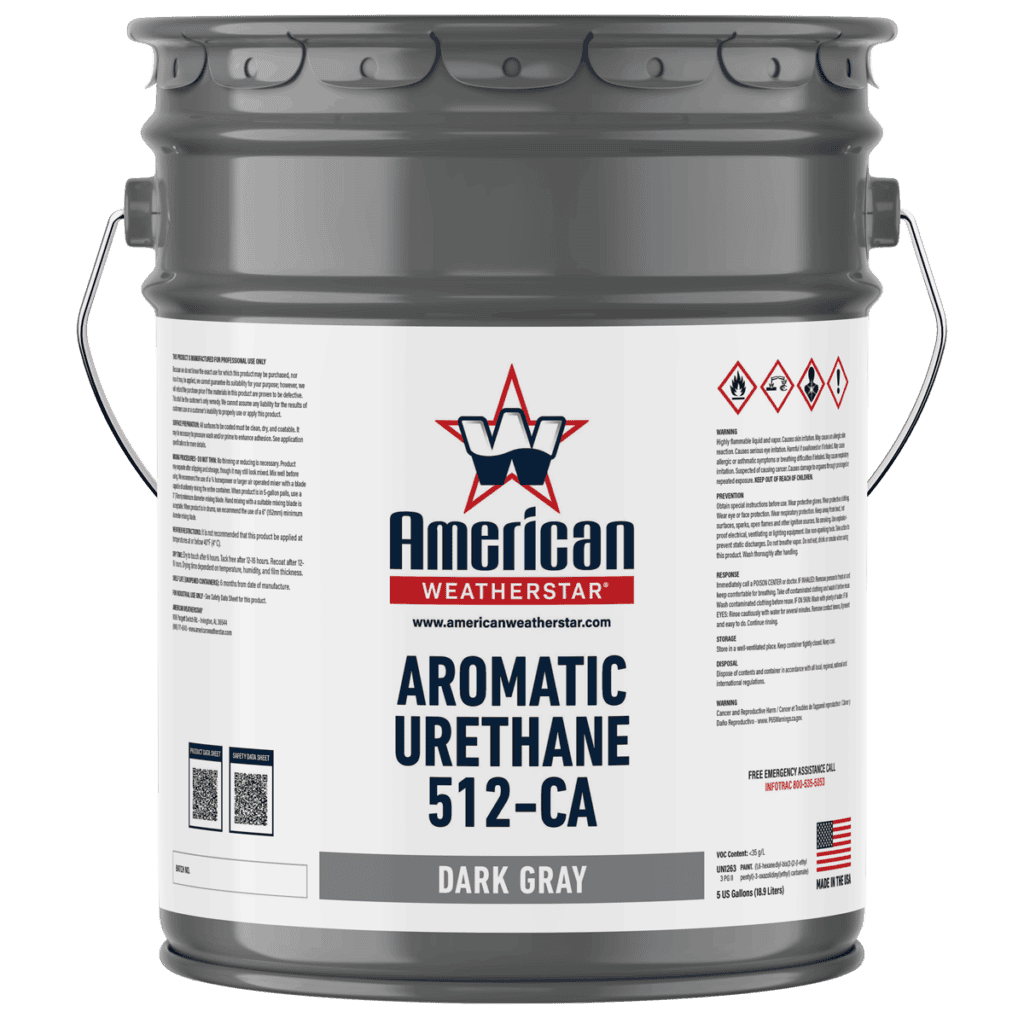
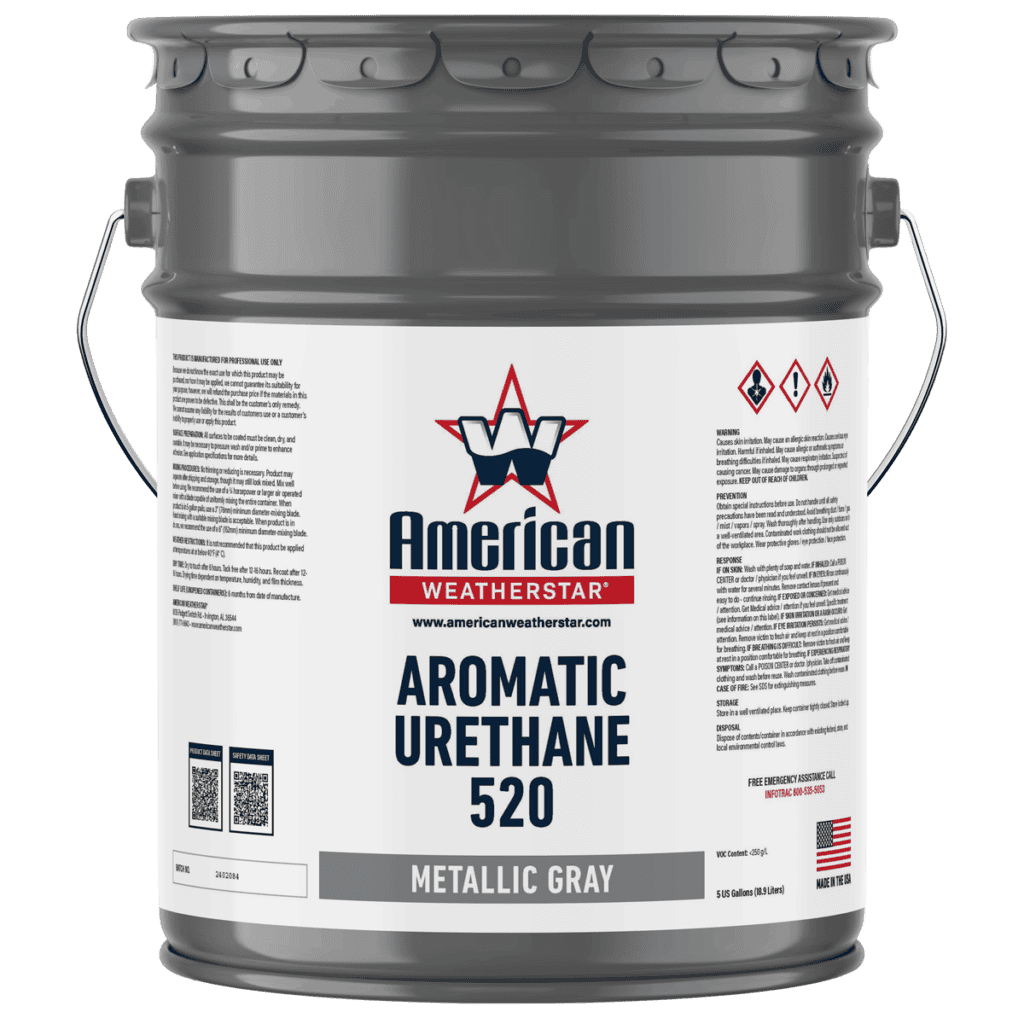
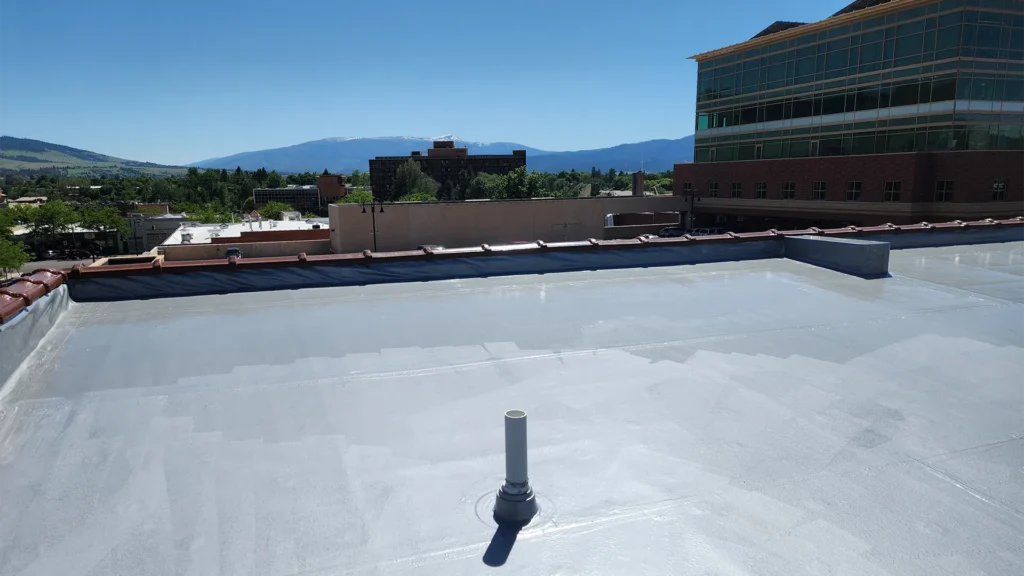
Urethane Roof Coatings
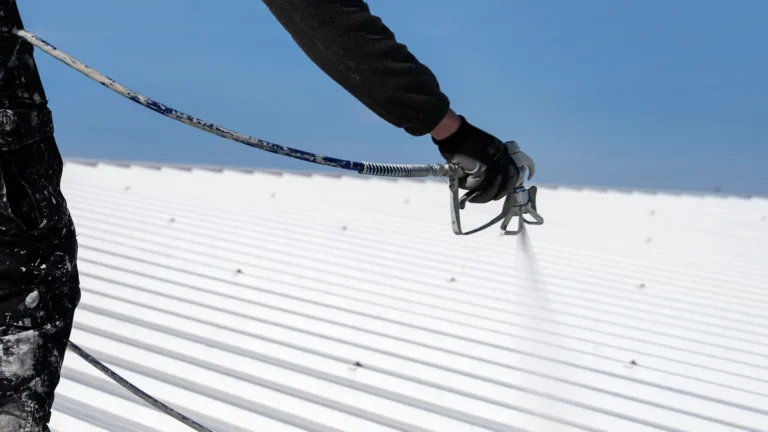
Urethane (polyurethane) roof coatings formulated for superior strength, abrasion resistance, and durability in demanding environments. Ideal for high-traffic areas and impact-prone surfaces, they deliver tough, flexible protection across commercial roofing systems.
Frequently Asked Questions
Have questions about our products? Our team can help you compare options, understand compatibility, and choose the right material based on substrate, system requirements, and application conditions.
Urethane coatings are a strong option for roofs that need added toughness, abrasion resistance, and waterproofing performance. They are often used on flat and low-slope commercial roofs, especially where the roof may experience foot traffic, weather exposure, or thermal movement.
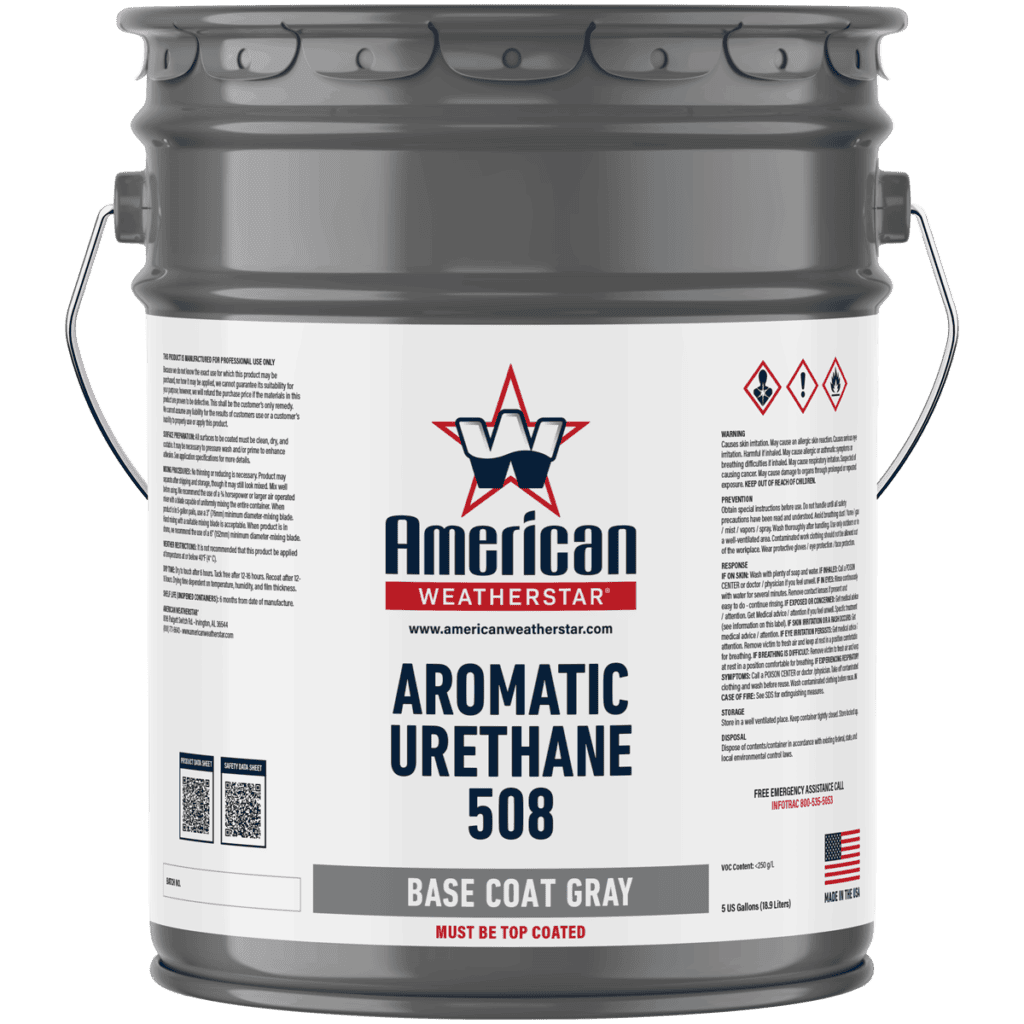
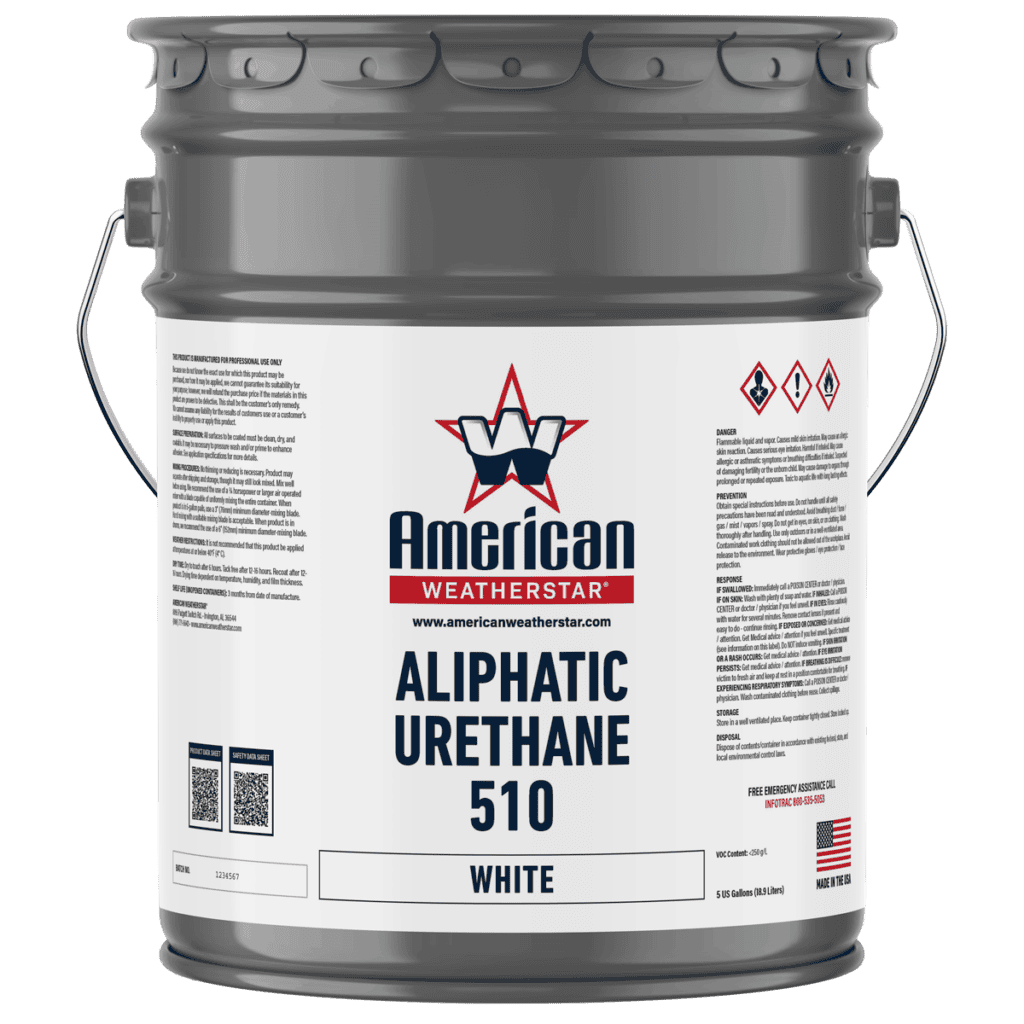
Aromatic urethanes are typically used as base coats because they offer excellent adhesion, strength, and waterproofing performance. Aliphatic urethanes are commonly used as top coats because they provide better UV stability, color retention, and weather resistance.
Yes, when installed as part of a properly specified restoration system, urethane roof coatings can help stop leaks by forming a seamless, flexible membrane. Existing damage, open seams, penetrations, saturated insulation, and other roof defects should be corrected before coating.
Service life depends on the system design, roof condition, coating thickness, maintenance, and warranty requirements. Many commercial urethane roof coating systems are designed for long-term performance and may qualify for 10-, 15-, or 20-year warranties when installed to specification.
Yes. Urethane coatings are known for toughness and abrasion resistance, making them a good choice for roofs with occasional maintenance traffic or areas that require added durability. Walk pads may still be recommended in high-traffic service areas.
Yes, urethane coatings can be applied over many existing commercial roofing substrates when the roof is structurally sound, dry, clean, and properly prepared. Adhesion testing, repairs, primer selection, and proper application rates are important before installation.
Get the Industry’s Best Training
Register Now