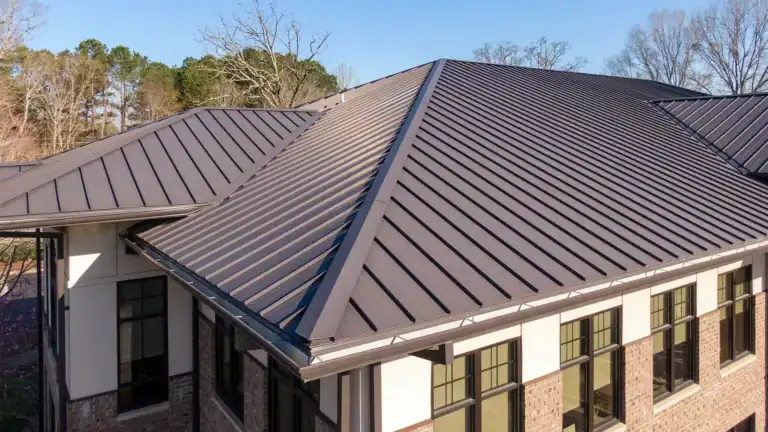
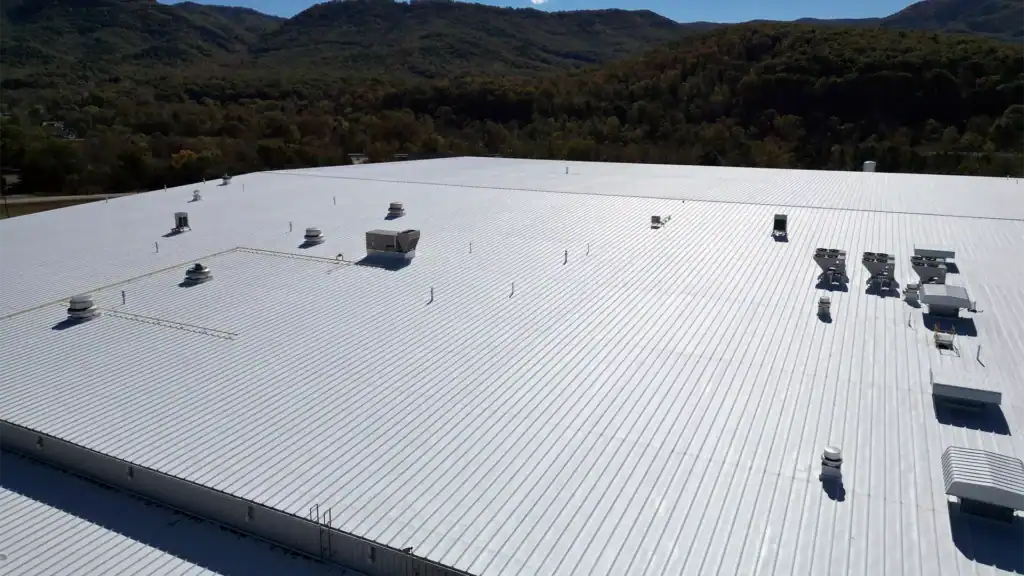
Metal Roof Restoration
Metal roofs don’t fail all at once—they deteriorate over time through rust, loose fasteners, failing seams, and thermal movement. Our systems address these issues, restoring performance and extending service life—without the cost and disruption of replacement.
Explore Systems
Frequently Asked Questions
Have questions about our systems? Our team can help you compare options, understand requirements, and choose the best solution based on roof type, condition, and performance goals.
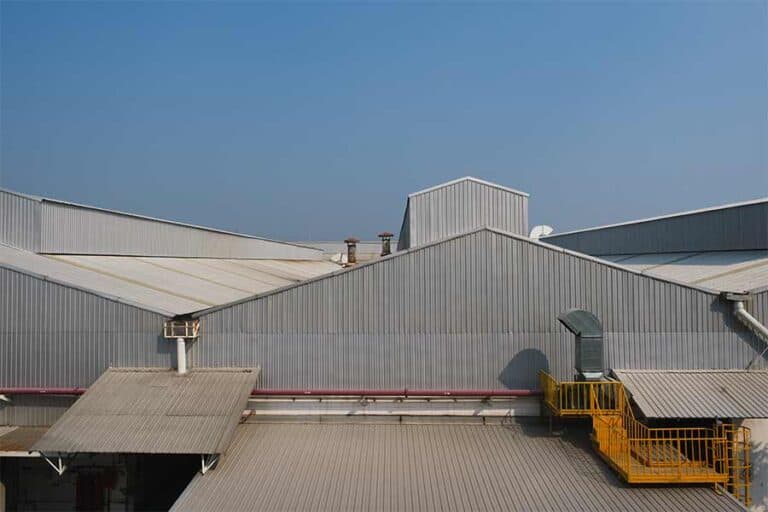
Metal roof restoration systems can be applied to a variety of commercial metal roof types, including standing seam, R-panel, corrugated panels, and other structural or architectural metal systems. Substrate condition, coating adhesion, and panel integrity must be evaluated before system selection.
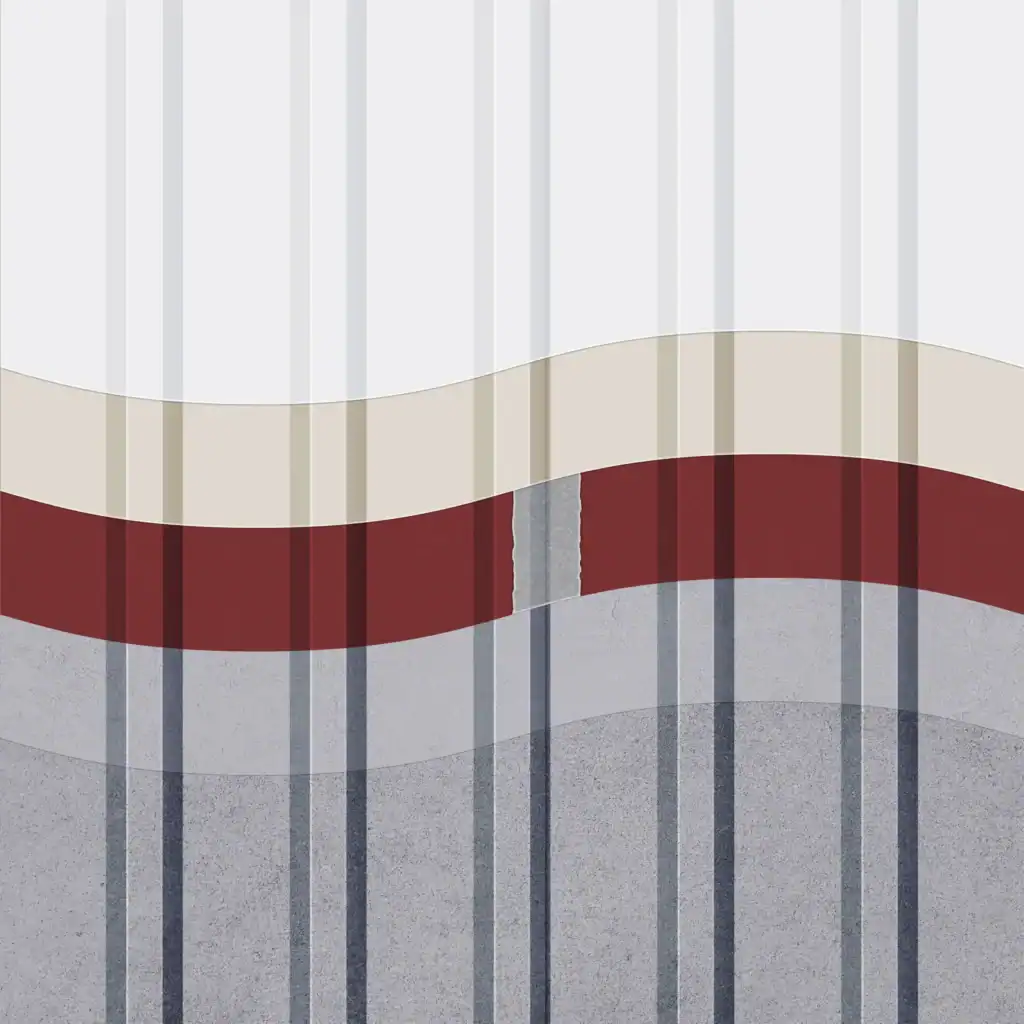
Metal roof restoration systems target common leak points such as seams, fasteners, laps, and penetrations. Reinforced detailing combined with a fluid-applied membrane creates a seamless system that helps prevent water intrusion when properly installed.
Yes. Proper surface preparation and the use of rust-inhibitive primers help stabilize existing corrosion. The restoration system then encapsulates the metal surface, protecting it from further oxidation and environmental exposure.
Restoration preserves the existing metal roof by applying a protective system over it, while replacement involves full tear-off and installation of new panels. Restoration typically reduces cost, labor, and operational disruption compared to replacement.
In many cases, yes. As long as the underlying metal panels remain structurally sound, restoration systems can be reapplied at the end of their service life, extending the overall lifespan of the roof assembly.
Many systems incorporate reflective coatings that can reduce heat absorption and rooftop temperatures. This may contribute to improved energy performance depending on building design and climate conditions.
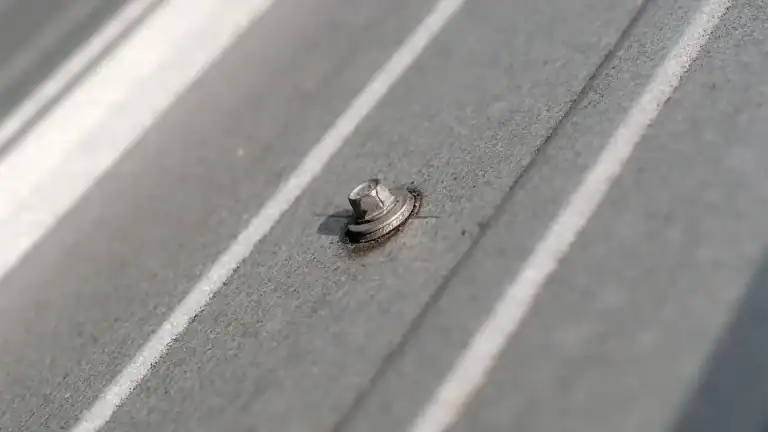
Fastener inspection is a critical part of the process. Loose or deteriorated fasteners are typically tightened or replaced to ensure system integrity before the coating system is installed.
Get the Industry’s Best Training
Register Now