Acrylic Sealants
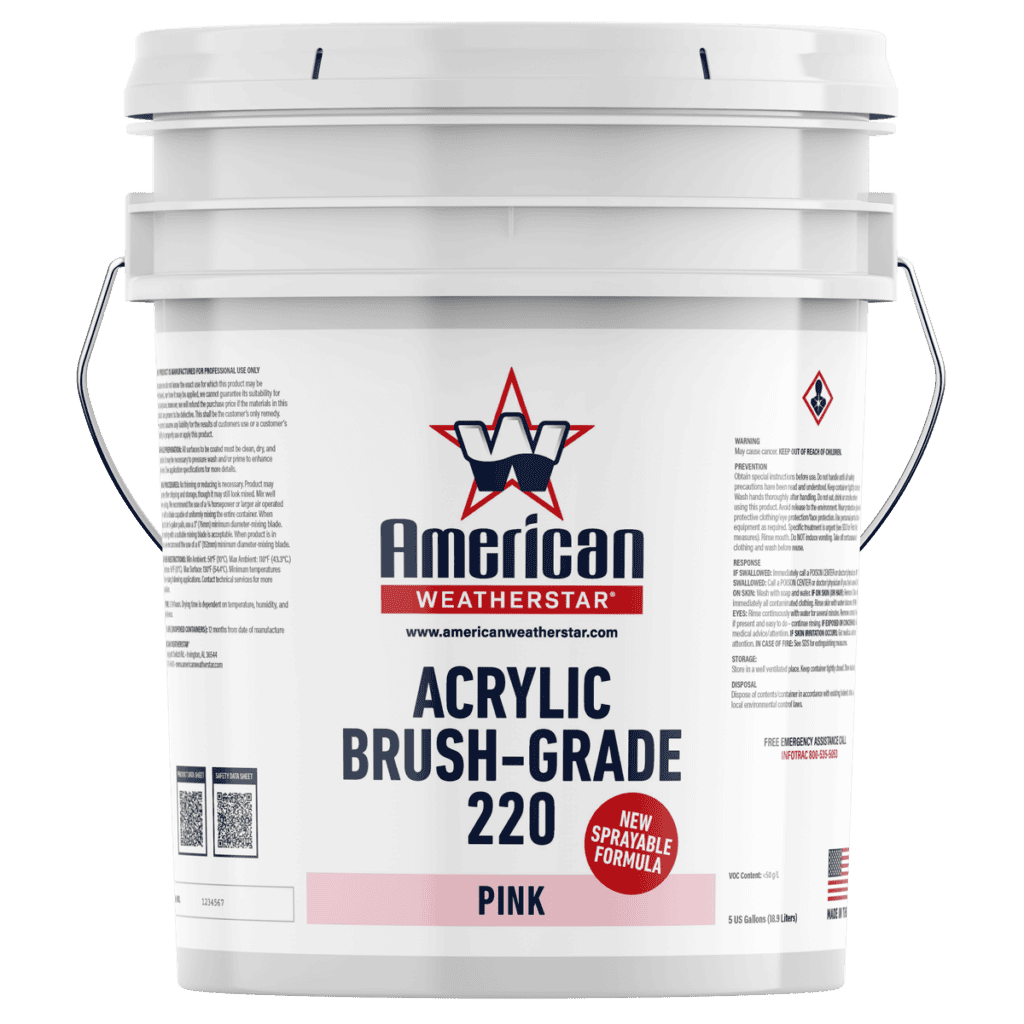
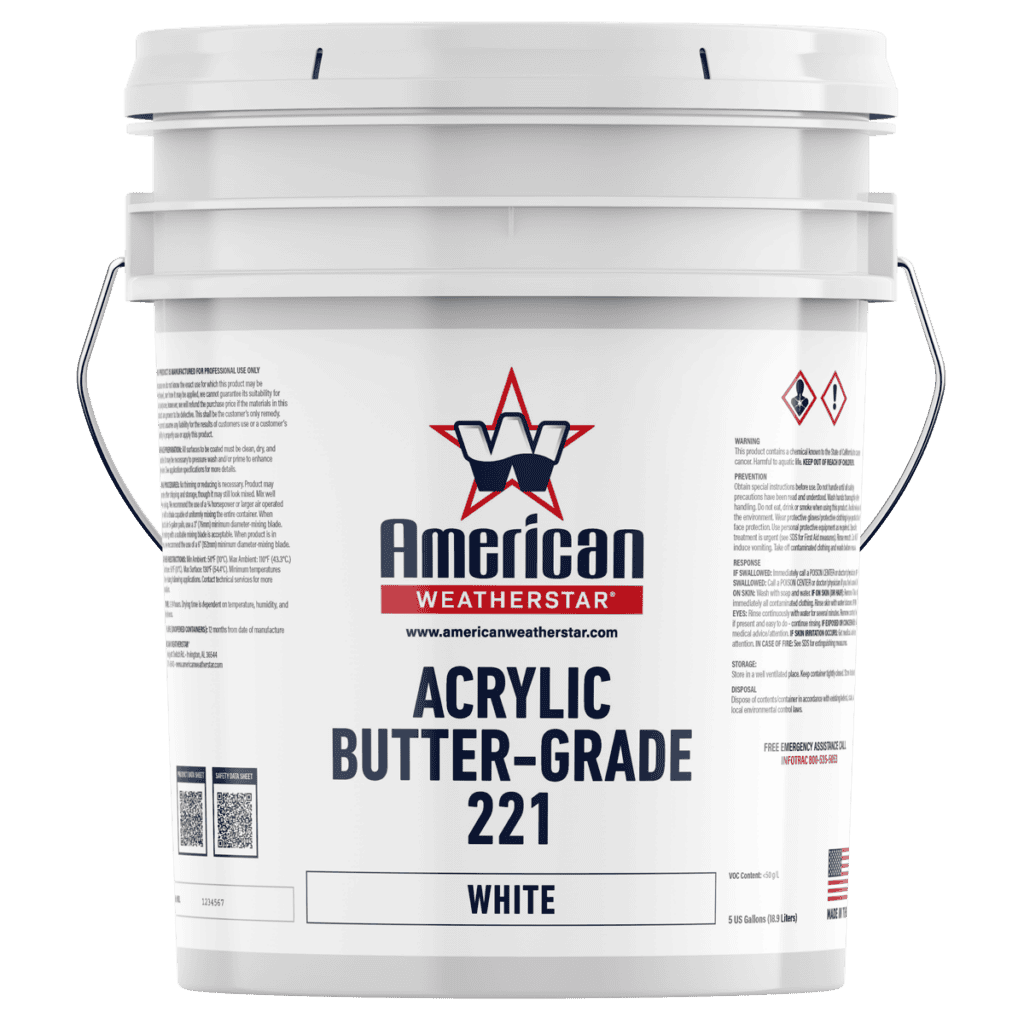
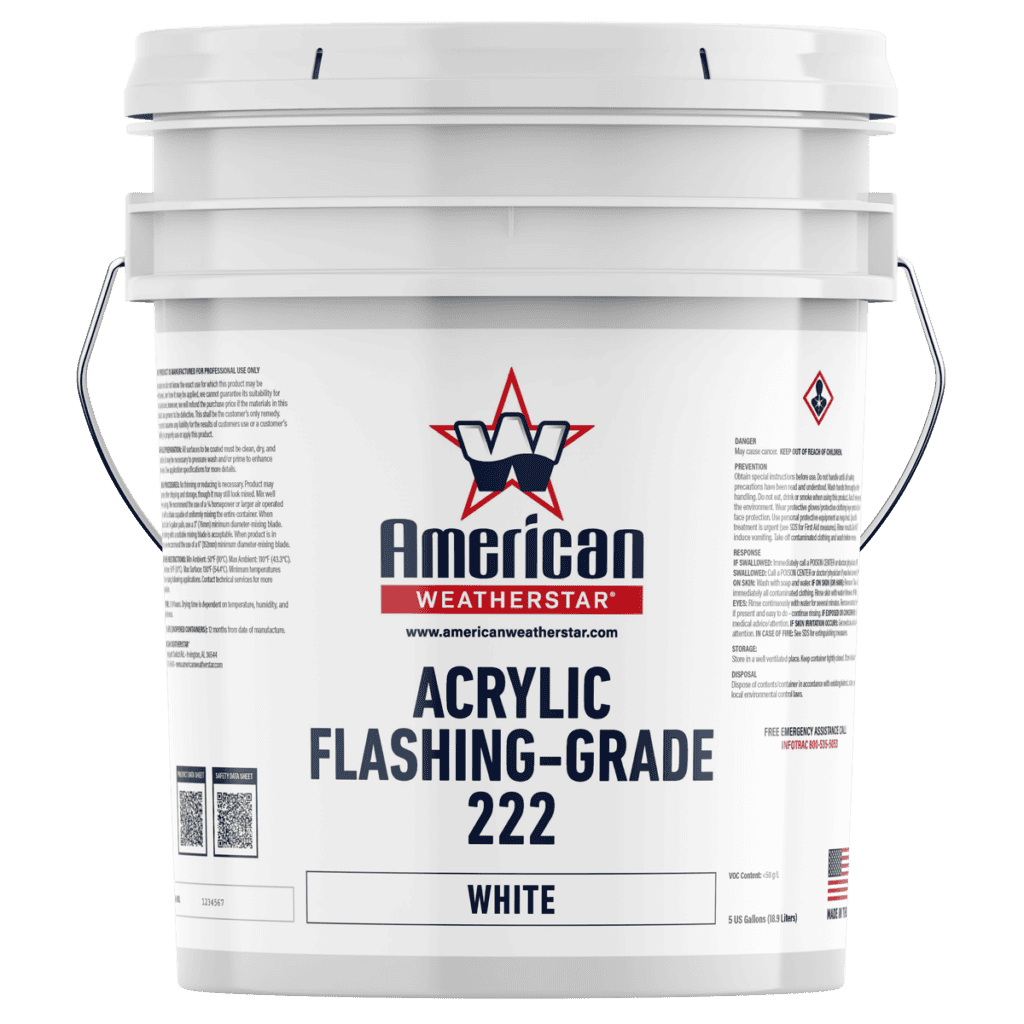
Water-based roof sealants and mastics designed for sealing joints, cracks, and flashing details on compatible substrates. They offer good flexibility, UV resistance, and ease of application, making them a practical choice for general-purpose detailing in appropriate conditions.
Frequently Asked Questions
Have questions about our products? Our team can help you compare options, understand compatibility, and choose the right material based on substrate, system requirements, and application conditions.
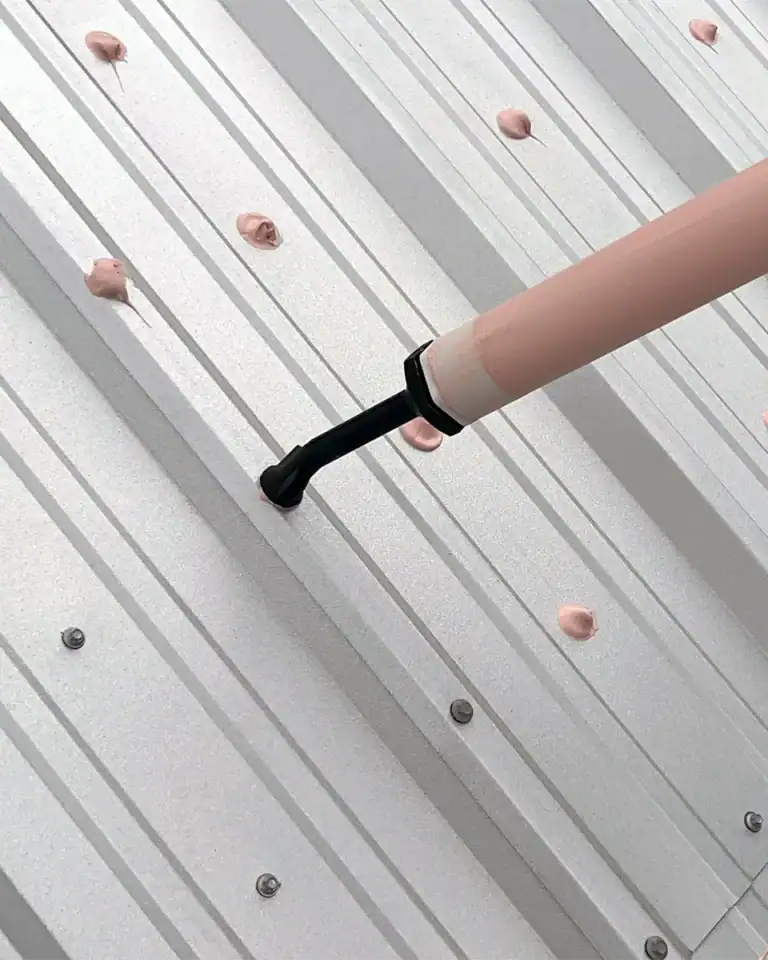
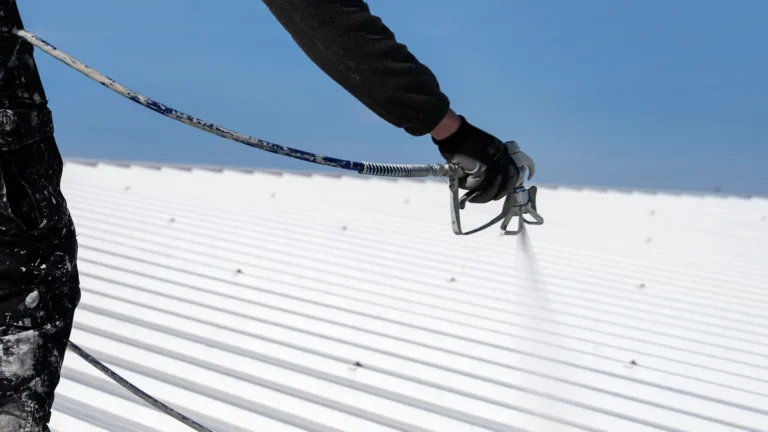
Acrylic roof sealants and mastics are fluid-applied repair products used to seal seams, fasteners, penetrations, cracks, and other vulnerable areas on commercial roofs. Unlike roof coatings, they are typically used for detail work and targeted repairs rather than full roof restoration.
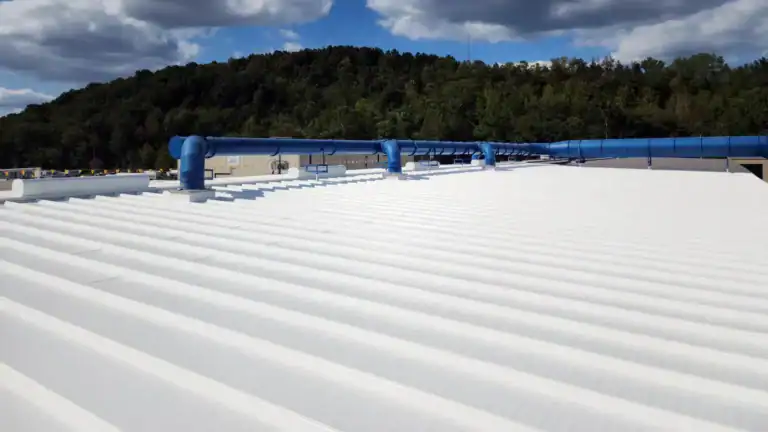
Roof coatings are applied across large roof areas to create a continuous protective membrane. Acrylic sealants and mastics are thicker, more buildable materials designed for localized waterproofing, reinforcement, and repair around problem areas.
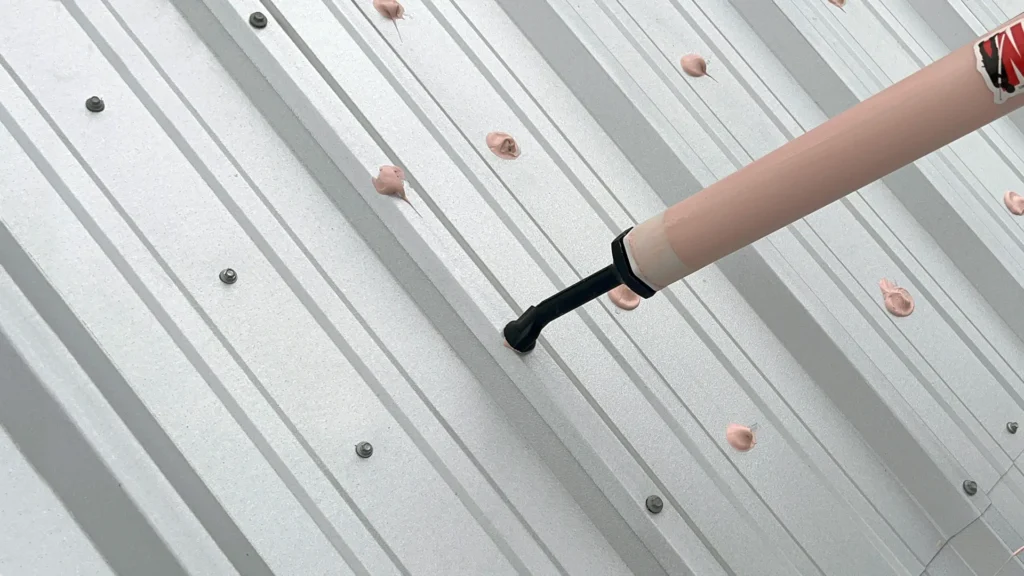
They are commonly used around roof penetrations, flashing details, seams, curbs, drains, fasteners, transitions, and small cracks. They help reinforce areas that are more likely to experience movement, water intrusion, or wear.
Yes, when used correctly, acrylic sealants and mastics can help stop leaks in specific areas by sealing gaps, cracks, seams, and other vulnerable details. The source of the leak must be properly identified, cleaned, prepared, and repaired before application.
Often, yes. Many acrylic mastics are used with polyester fabric or similar reinforcement to add strength, bridge gaps, and improve durability at seams, joints, and transitions. This is especially important where movement or stress is expected.
Yes, many acrylic sealants and mastics can be coated over once properly cured. This allows repaired areas to become part of a larger roof restoration system, helping create a more uniform and protected surface.
Acrylic sealants and mastics should not be used as a shortcut for major roof repairs, saturated insulation, structural damage, or widespread membrane failure. They are best suited for targeted repairs and detail work on properly prepared, compatible roof surfaces.
Get the Industry’s Best Training
Register Now