What Is a Roof Primer?
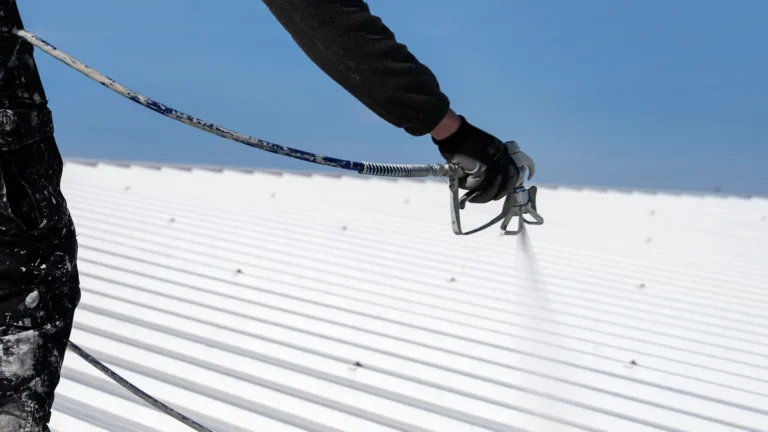
A roof primer is a preparatory coating designed to improve adhesion between the roof substrate and the restoration system being installed. Primers help condition the surface, block stains, lock down chalk, inhibit rust, create a uniform bonding layer, and reduce the risk of topcoat failure. Not every project requires a primer, but when one is needed, using the correct type directly impacts system performance and longevity.
When Do You Need a Roof Primer?
Not all substrates need a primer, but certain roof conditions make it necessary. In general, use a primer when:
1. The surface is chalky or weathered
Aged acrylic, metal panels, or older coatings often chalk heavily. Primers help lock down loose particulates and create a stable surface for adhesion.
2. The metal roof has rust present
Rust-inhibiting primers stop oxidation and prevent rust bleed-through. They also improve bonding on compromised metal surfaces.
3. Installing a coating over single-ply membranes
EPDM, TPO, and PVC often require primers or adhesion promoters because they are low-energy surfaces with poor natural adhesion.
4. You’re coating over asphaltic substrates
Black asphalt can cause bleed-through into coatings, especially acrylics. Bleed-blocking primers prevent discoloration and help create a stable surface.
5. The roof has been coated previously
Unknown or incompatible coatings require a bonding layer to ensure the new topcoat adheres correctly.
6. The surface is contaminated or difficult to clean
Areas exposed to oils, industrial residue, or inadequate runoff benefit from primers that restore surface integrity.
7. Warranty or specification requires it
Some systems require primer use based on substrate, slope, condition, or desired warranty duration.
Types of Roof Primers
Different substrates and system chemistries require different primer technologies. Here are the main types:
Acrylic Primers
Used to improve adhesion on:
- Aged coatings
- Weathered metal
- Slightly chalky surfaces
They dry quickly and create a uniform base for acrylic or hybrid systems.
Urethane Primers
Known for strong adhesion and durability. Ideal for:
- Difficult-to-bond surfaces
- Applications where high film strength is needed
- Severe weather environments
They help bridge irregularities and enhance the strength of the system.
Rust-Inhibiting Primers
Designed specifically for metal roofs with oxidation. They:
- Neutralize rust
- Prevent future corrosion
- Improve adhesion for elastomeric topcoats
They are critical for metal restoration systems.
Bleed-Block or Stain-Blocking Primers
Used on asphaltic surfaces to prevent:
- Yellowing
- Staining
- Discoloration bleeding through reflective coatings
These are essential for smooth or granulated BUR, modified bitumen, and other asphalt-based substrates.
Adhesion Primers/Promoters
Used for:
- EPDM
- TPO
- PVC
They alter surface chemistry to create a strong bonding layer between the membrane and the topcoat.
Can You Prime and Coat in One Step?
Some urethane base coats bond extremely well to most surfaces, reducing or eliminating the need for a separate primer. However:
- You should never skip primer if the substrate requires it.
- Always follow system specifications, since primer use may be required for warranty coverage.
Primers are inexpensive insurance against adhesion failure, especially on challenging substrates.
Benefits of Using a Roof Primer
Even when not required, primers can significantly improve system performance:
1. Better Adhesion
Creates a uniform, receptive surface for topcoats—critical on slick, aged, or contaminated substrates.
2. Improved Durability
Reduces the risk of delamination, peeling, or early system breakdown.
3. Enhanced Waterproofing Performance
Helps topcoats cure evenly and bond thoroughly, improving long-term moisture protection.
4. Rust and Stain Protection
Prevents oxidation on metal roofs and bleed-through on asphaltic substrates.
5. Better System Aesthetics
Creates a smooth, consistent foundation for topcoats to build on.
Common Mistakes When Using Roof Primers
1. Skipping primer when the substrate requires it
This is the most common cause of adhesion failure.
2. Using the wrong primer for the substrate
Acrylic primers are not rust inhibitors. Rust primers are not adhesion promoters. Stain blockers don’t replace bonding primers.
3. Applying primer too thin
Primers need proper dry film thickness to perform as intended.
4. Not allowing primer to dry fully
Topcoating too soon reduces bonding strength.
5. Poor cleaning or surface prep
Primer improves adhesion—it doesn’t replace surface preparation.
How to Choose the Right Primer for Your Project
Follow this simple process:
- Identify the substrate
Metal? Single-ply? Asphalt? SPF? - Evaluate the condition
Rust present? Chalky? Dirty? Aged coating? - Match the system chemistry
Acrylic systems may use acrylic or urethane primers. Urethane-silicone hybrids may use urethane or adhesion primers. - Check the specification
Always reference system guidelines and warranty requirements. - Perform an adhesion test when in doubt
A 3×3 crosshatch test can confirm whether a primer is necessary.
Primers, Cleaners & System Compatibility
Primers are often paired with compatible cleaners or surface treatments to achieve optimal adhesion. Using the right combination ensures:
- Stronger chemical bonding
- Reduced prep time
- Consistent results across the roof
Cleaning alone is rarely enough on challenging substrates. Primers complete the surface conditioning process.
Final Thoughts
Primers aren’t just an optional pre-coat—they serve a critical function in roof restoration systems. Choosing the right primer reduces failure risk, improves long-term performance, and ensures coatings bond the way they should.
If you’re evaluating a project and unsure which primer is appropriate, consult the system specification or speak with a technical representative before beginning work.